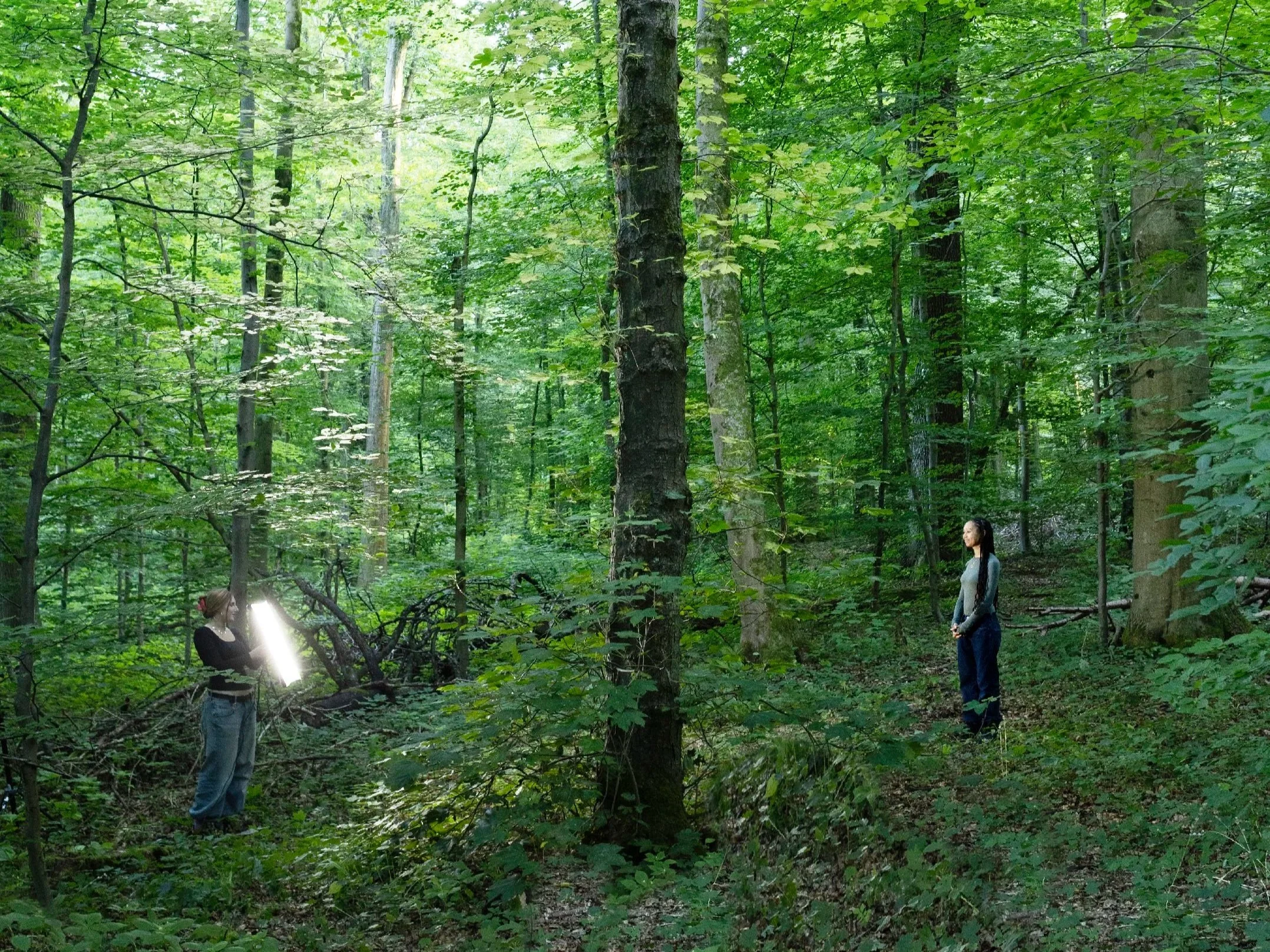
Forest Choir/Some Kind of Love
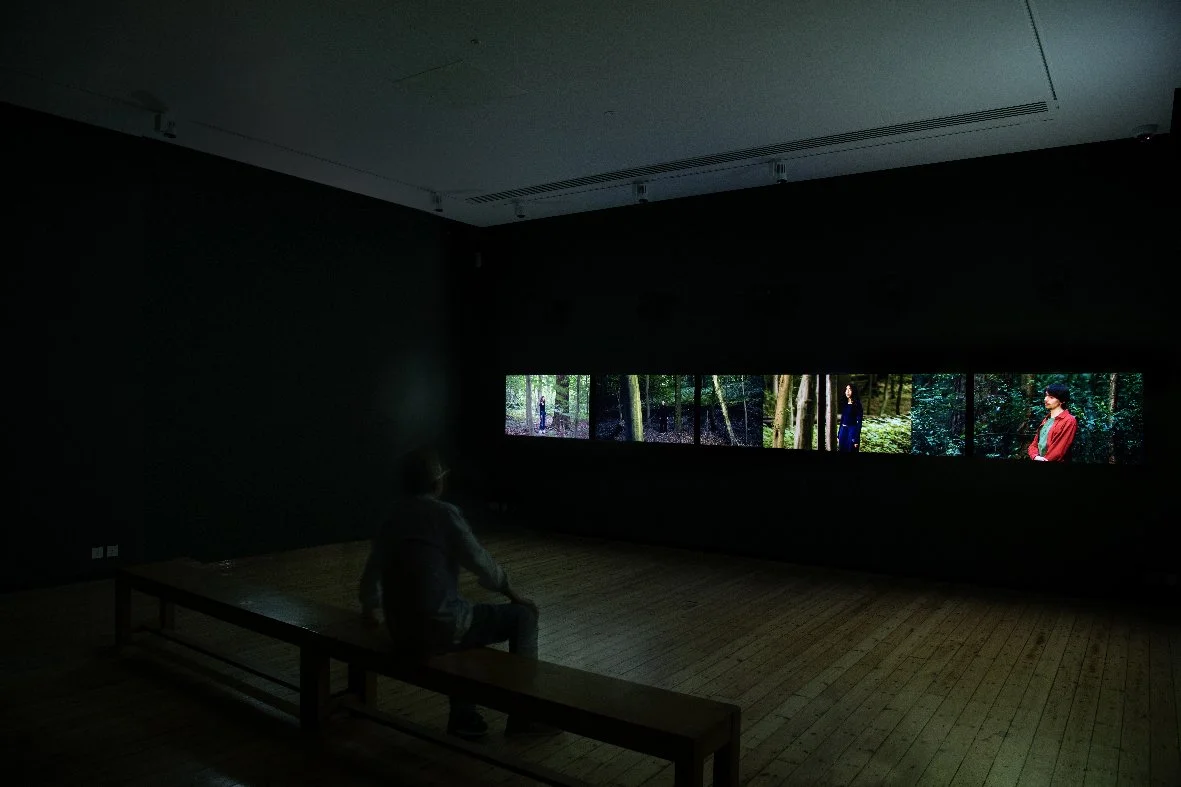
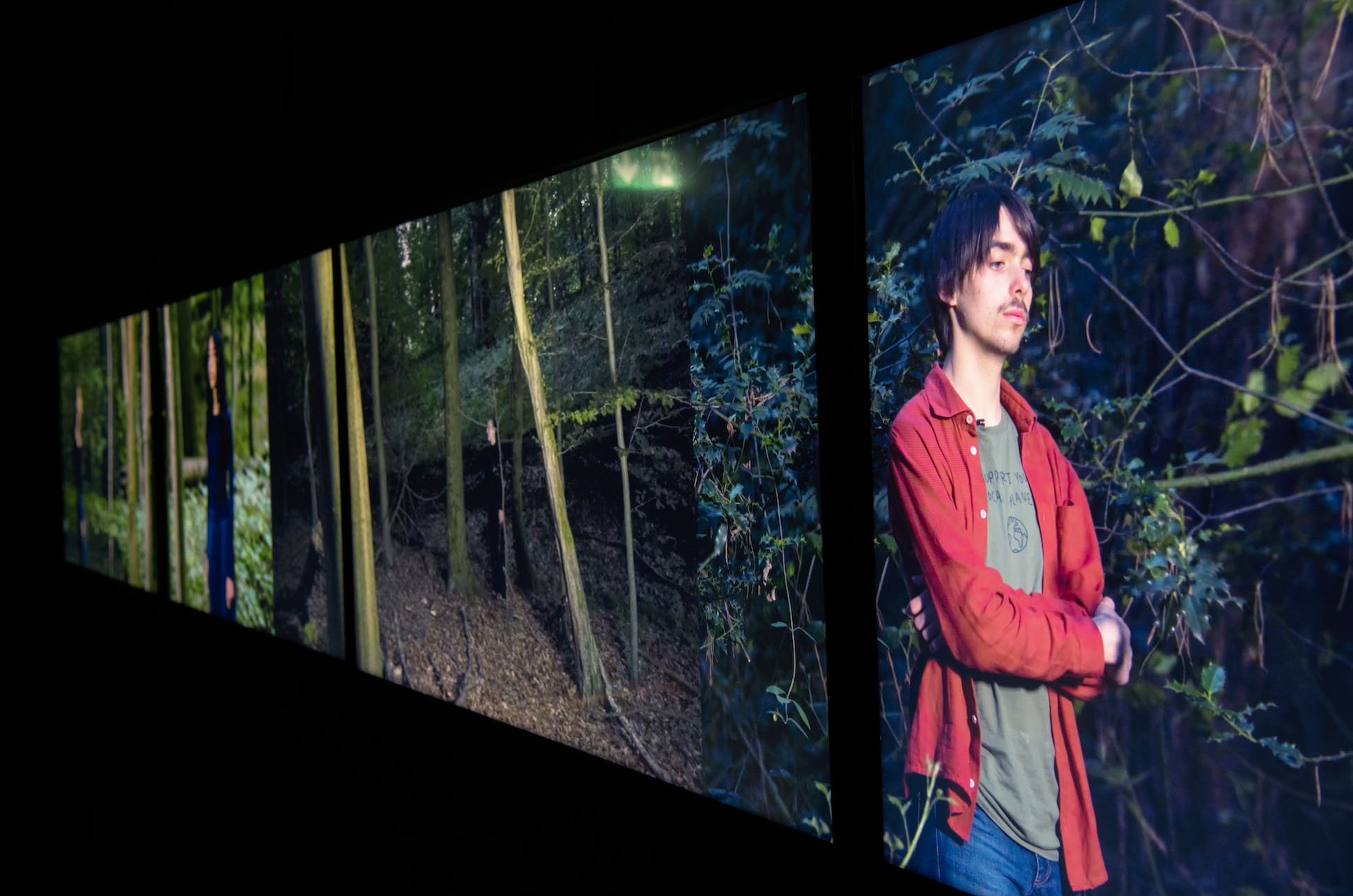
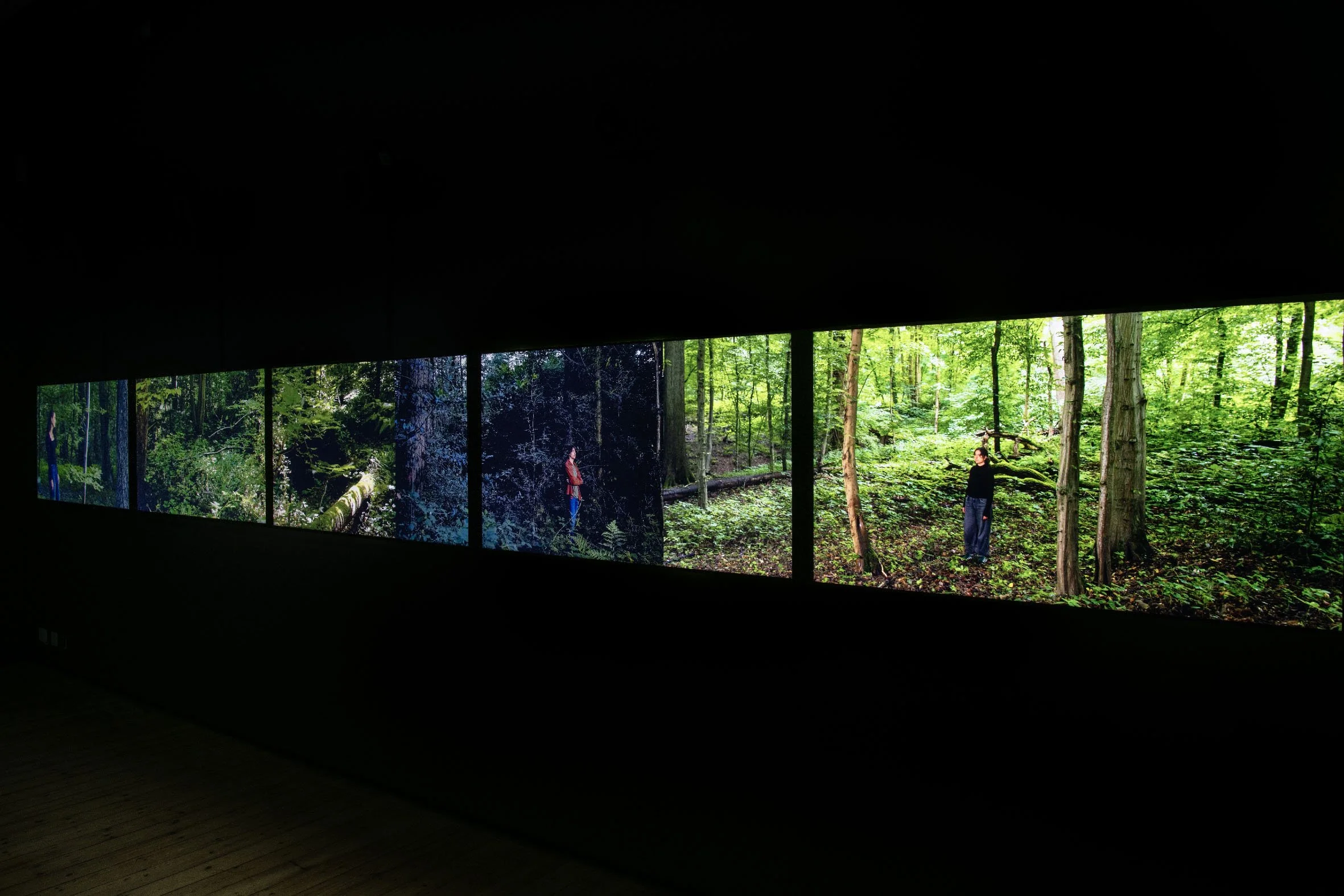
The 5-channel video installation Forest Choir/Soem Kind of Love takes its cue from the long-held popular belief that playing music to plants accelerates their growth and improves their immune system. Long contest by large sections of the scientific community, ever more sophisticated recording techniques reveal new findings about plants communication via sound. It has been found that plants communicate via ultrasound when under duress, that flowers increase their pollen production in response to the sound of the wings of their pollinators and the tiny hairs at the end of plant roots have a very similar DNA to the hairs in our ears that facilitate hearing. All this indicates the new possibilities of plant communication.The work positions itself within this shifting landscape of ecological understanding, hovering on the edge of belief and biological certainty.
Developed in collaboration with the Brussels Opera Youth Choir, the project brings together individual singers across geographical, social and economic divides to sing forest ecosystems back to health. Their voices—recorded separately yet brought together through the 5-channel video installation—form a gesture of care toward damaged landscapes. The work acknowledges that we are at the very beginning of understanding the mental health impacts the climate emergency will have on us, in that sense singing here becomes a tool not just for nurturing the natural world, but also for healing the participating singers. foregrounds the participation of the next generation, those who will inherit the responsibility fixing the damages left behind.
Forest Choir sets about presenting a layered reflection on human agency. It positions the desire to nurture and repair alongside the recognition that ecological systems exceed our control, revealing the tension between intention and limitation. In doing so, the work outlines a space where care, vulnerability, and uncertainty shape our evolving relationships with the ecosystems that sustain us. It acts as both a celebration of human agency and a reflection on its limitations, recognising our often-failed attempts to control the ecosystems that sustain us